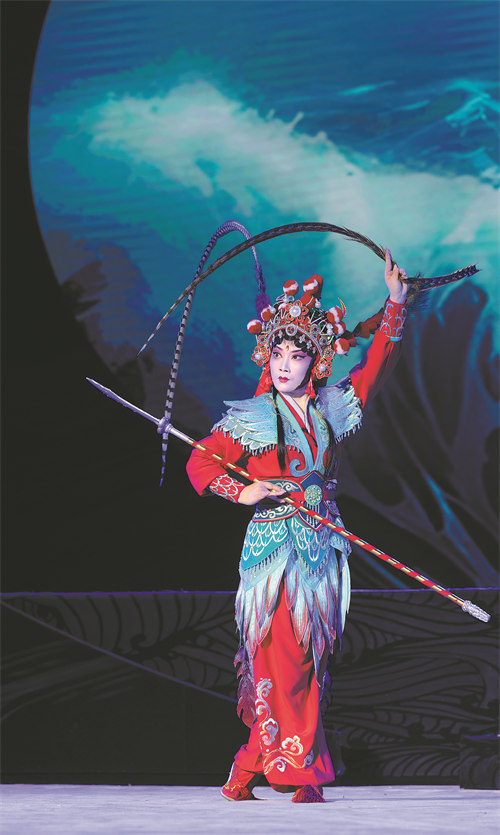
Puju Opera
Overview
Puju Opera, also known as Puzhou Clapper Opera, is a traditional Chinese opera form that originated in southern Shanxi province. It is a significant cultural treasure of China, deeply rooted in the history and traditions of the region. With a history spanning over 400 years, Puju Opera is one of the major regional operatic styles in China, though it is less internationally recognized compared to Peking Opera and Kunqu Opera. This art form is characterized by its dramatic and powerful music, high-pitched vocals, and the use of traditional Chinese instruments such as drums, strings, and wind instruments. Its connection to Qinqiang Opera, one of the oldest forms of Chinese opera, is evident in its stylistic and musical influences.
Historical Background
Puju Opera was formed during the Ming Dynasty (1368–1644) and has since become a prominent cultural element in the Shanxi region. The opera style is closely associated with the Bangzi (Wooden Clapper Opera) singing style, which is a defining feature of its performances. Over the centuries, Puju Opera has evolved, incorporating elements of local folklore, historical narratives, and moral themes, making it a reflection of the cultural and social values of the Shanxi people.
Performance Style and Characteristics
Puju Opera is known for its unique vocal techniques, recitative-style dialogue, and expressive acting. The singing style is dramatic and emotional, often accompanied by traditional instruments that enhance the storytelling. The performances are marked by their high energy, intricate movements, and stylized martial arts sequences. The roles in Puju Opera are diverse, with characters ranging from heroic warriors to tragic figures, each requiring a distinct set of skills from the performers.
One of the most demanding roles in Puju Opera is the "daomadan," a female warrior character that combines martial arts, singing, acting, and stylized movements. These roles are physically and artistically challenging, showcasing the performers' versatility and dedication to their craft.
Notable Productions and Stories
Puju Opera has a rich repertoire of stories, many of which are based on historical events, legends, and moral tales. Some of the notable productions include:
Sisters Exchange Marriage: A traditional Puju Opera work performed by the Shanxi Puju Opera Troupe, this story revolves around two sisters, Zhang Suhua and Zhang Sumei, and their marriages, exploring themes of fidelity and family values.
Yue Mother Tattoos Slogan on Her Son’s Back (Yue Mu Ci Zi): This play tells the inspiring story of Yue Fei's mother tattooing "loyalty to the country" on his back during the late Northern Song Dynasty (960–1127).
Mukezhai (Muke Stockade Village): Based on an excerpt from "The Generals of the Yang Family", this play highlights themes of loyalty and bravery.
The Spring in Peach Blossom Valley: A contemporary Puju Opera that follows an environmental official helping a village relocate a factory and embrace eco-tourism, celebrating green policies and grassroots efforts for a sustainable future.
Jingwei Fills the Sea: A mythological Puju Opera based on the ancient text "Shan Hai Jing (Classic of Mountains and Seas)". It tells the story of a princess who transforms into a bird, Jingwei, and dedicates herself to filling the sea with stones to prevent further tragedies. This production, performed by Liang Jing, received critical acclaim and earned her the prestigious China Plum Performance Award.
Righteousness above Family Loyalty: This opera tells the story of an emperor's son-in-law who is brought to justice, emphasizing themes of justice and moral integrity.
Prominent Figures in Puju Opera
Liang Jing is one of the most celebrated performers of Puju Opera. Born in Linfen, Shanxi province, a region rich in cultural traditions, Liang grew up immersed in the world of Puju Opera. Her family’s passion for the art form inspired her to pursue a career in opera, and she began formal training at a young age. Over the years, Liang has become a respected figure in the field, known for her versatility and dedication to preserving and innovating Puju Opera.
Liang's portrayal of Jingwei in "Jingwei Fills the Sea" showcased her ability to embody complex characters, switching between different performance styles such as "huadan" (lively young woman) and "qingyi" (dignified mature woman). Her mastery of the "daomadan" role, which requires martial arts skills and intense physical performance, further highlights her exceptional talent.
Modern Adaptations and Cultural Significance
Puju Opera continues to thrive in modern times, thanks to efforts to adapt the traditional art form for contemporary audiences. Events like the Puju Opera Art Week in Yuncheng, Shanxi province, celebrate the opera's legacy through performances, exhibitions, and conferences. These initiatives aim to introduce Puju Opera to younger generations and ensure its preservation as a vital part of China's cultural heritage.
Innovative productions, such as the Puju Opera adaptation of Shakespeare's "Othello" titled "Othello: Jealousy", demonstrate the universality of the opera's themes and its ability to resonate with diverse audiences. By blending traditional storytelling with modern sensibilities, these adaptations highlight the enduring relevance of Puju Opera.
Educational and Cultural Preservation Efforts
The Shanxi Puju Opera Troupe and other organizations play a crucial role in preserving and promoting Puju Opera. Programs like the "Little Plum Blossom Puju Troupe" nurture young talent and ensure the continuity of this ancient art form. The troupe has introduced many talented performers, including Liang Jing, who have contributed to the opera's legacy.
Additionally, festivals like the Xiqu Opera Black Box Festival in Beijing provide a platform for showcasing traditional Chinese opera, including Puju Opera, to a broader audience. These events emphasize the importance of cultural exchange and innovation in keeping traditional arts alive. Article reference1. Puju Opera highlights ecological protection. chinaservicesinfo.com. 20242. Puju Opera inspired by inspiring story. chinaservicesinfo.com. 20243. Puju Opera delves deep into fidelity. chinaservicesinfo.com. 20244. Puju Opera enthralls audiences in Shanxi. chinaservicesinfo.com. 20245. Puju Opera festival kicks off in Shanxi. chinaservicesinfo.com. 2022Photo Gallery(6 pictures)CategoriesArtsTagOpera and DramaIntangible Cultural HeritageRelatedYue FeiBangziCatalogue1. Overview2. Historical Background3. Performance Style and Characteristics4. Notable Productions and Stories5. Prominent Figures in Puju Opera6. Modern Adaptations and Cultural Significance7. Educational and Cultural Preservation Efforts- - - []








